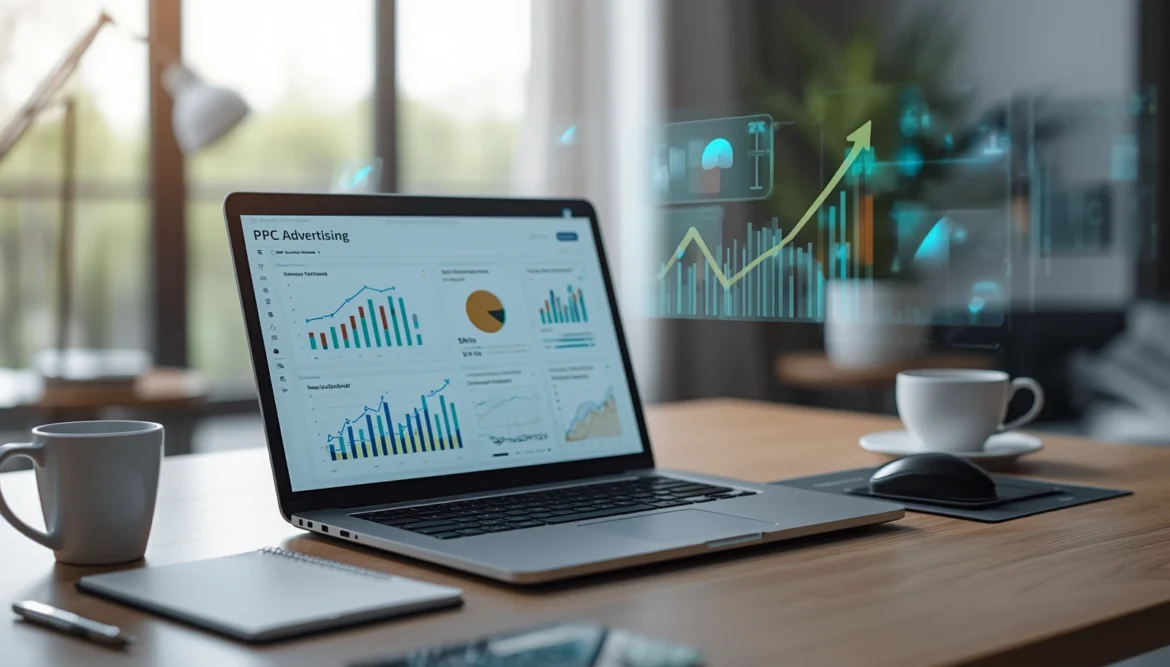
The first thing I noticed was not growth. It was silence. My site existed, my pages were live, and yet the visitor numbers barely moved. That gap forced me to think differently about visibility, timing, and what people actually search for when they need a solution.
That is when PPC website traffic became the focus of my strategy. Instead of waiting for momentum to appear on its own, I started using a website PPC campaign to reach people at the exact moment they were already looking for answers. It felt more direct, more measurable, and far more aligned with search intent.
Why I Tried PPC Advertising Services
Before I explain what changed, it helps to understand the pressure point. My site was not failing because the offer was weak. It was underperforming because the audience was not finding it fast enough, and I needed a faster way to test what people responded to.
The first problem was simple, website PPC campaign targeting gave me a path to reach searchers with real intent. I was no longer guessing at demand, I was meeting it. That shift made the entire process feel more deliberate and less fragile.
My Website Had Low Traffic
My website had useful content, but not enough traction. I could see that the pages were there, yet the traffic flow was thin and inconsistent. It was hard to build confidence from numbers that barely moved.
Why Organic Growth Was Slow
Organic growth was happening, but it was too slow for my goals. I needed faster visibility, faster feedback, and a clearer signal about which topics actually mattered to my audience. SEO still mattered, but it was not enough on its own.
Choosing The Right PPC Strategy
I chose a strategy built around intent, not volume. I focused on relevant keywords, tighter targeting, and ad copy that matched the page promise. As Neil Patel has often emphasized in his marketing advice, clarity and relevance matter more than broad reach when the goal is performance. That idea shaped how I built the campaign.
How PPC Brought More Website Traffic
Once the campaign started, the next step was making sure the clicks meant something. A traffic spike is only useful when the landing experience can carry the visitor forward, so I treated each visit like a chance to earn attention, not just collect it.
The real shift came from refining the Website PPC Campaign after launch. I paid attention to what searchers expected, what the page delivered, and where the message felt weak. That made the traffic more useful and the campaign easier to improve.
Building A Better Landing Page
The landing page had to do one job well, answer the visitor quickly and clearly. I simplified the structure, sharpened the offer, and removed anything that distracted from the main action. That made the page feel easier to trust.
Reaching The Right Search Audience
I stopped chasing everyone and started focusing on the right people. That meant tighter keyword groups, stronger alignment with search intent, and better audience filtering. As Rand Fishkin has said in many of his talks, marketing works best when it meets people where their need already exists. That was exactly the shift I needed.
Tracking Website Traffic PPC Results
I tracked my PPC campaign closely to understand how visitors interacted with my cleaning website. The data showed me which keywords attracted potential customers, which ads generated better responses, and which pages helped turn clicks into cleaning leads. By reviewing these results, I could improve my targeting, reduce wasted ad spending, and focus on strategies that brought more valuable traffic to my website.
What I Learned From My PPC Campaign
By this point, the lesson was clear, traffic is not a trophy. It is a signal. And when you read that signal correctly, it can tell you how to improve everything from message clarity to conversion flow.
The next stage was about tightening the campaign so the traffic quality improved along with the volume. That is where the deeper value of PPC Website Traffic started to show up.
Improving Click Through Performance
My click, through performance improved when the ad copy became more specific. I stopped writing vague promises and started writing around the exact problem the searcher wanted solved. That made the message feel more immediate.
Reducing Wasted Ad Spend
I also learned how easily budget can disappear when targeting is too broad. Once I removed weak terms and refined the audience, I spent less on clicks that went nowhere. The campaign became leaner and more efficient.
Turning Traffic Into Real Leads
This was the part that mattered most. Traffic alone does not build a business, but traffic with intent can. Once the page, ad, and keyword theme worked together, the site started bringing in people who were more likely to reach out and take action.
Start Driving More Traffic With PPC
Every successful campaign begins with a single decision to stop guessing and start optimizing. If you have been waiting for more visitors to discover your website, now is the right time to build a smarter strategy that connects your content with the people already searching for it. A well-planned website PPC campaign can become the bridge between visibility and meaningful business growth.
Your next visitor could become your next customer, but only if your website appears when it matters most. Start refining your targeting, improve your landing pages, and continue testing what works best. The sooner you take action, the sooner your PPC website traffic can turn into consistent, high-quality leads.