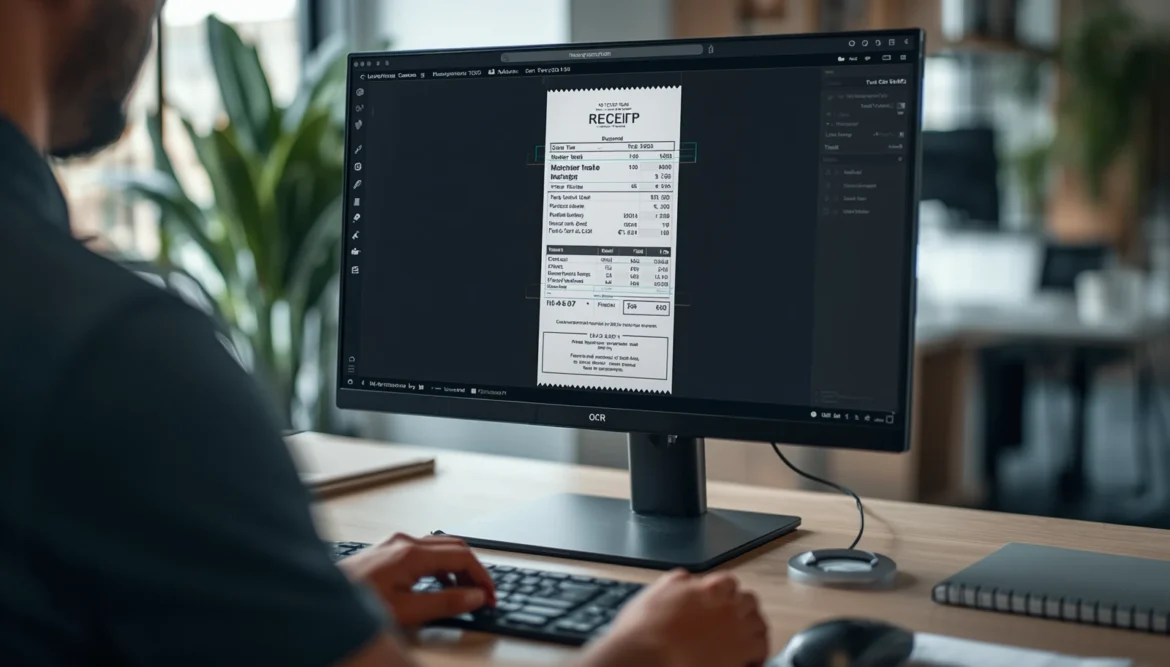
OCR for Blurry US Receipts can make a blurry receipt feel less like a dead end and more like a recoverable document. Even when the numbers are faint and the merchant details are half gone, the right workflow helps transform imperfect images into accurate, searchable data instead of leaving them unusable.
OCR Blurry Receipts becomes much more valuable when you treat it as a practical system for turning messy paper trails into clean, searchable data. In that sense, the real challenge is not the scan itself, but how quickly and accurately you can transform it into something you can trust.
Why Image To Text Matters For Receipts
A rough receipt photo does not have to slow everything down. The better question is whether your process can turn that image into usable text fast enough to keep expense tracking moving without friction.
US Receipt OCR is especially useful here because it helps turn a quick phone photo into structured data that can be reviewed, corrected, and stored with far less manual effort. As Peter Drucker famously said, “What gets measured gets managed,” and receipt data works the same way when it is captured cleanly and consistently.
Problems With Blurry Receipt Photos
Blurry receipt photos usually hide the very details that matter most, the total, the tax, the date, and the seller name.
A fuzzy image can also create small but costly errors. One missing digit, one misread date, or one distorted merchant line can change the meaning of the receipt completely.
Manual Entry Slows Expense Tracking
Manual entry looks simple until it starts stacking up. A few receipts here and there can quickly turn into a tedious routine that eats time and attention.
That is why digitizing receipts matters so much in day, to, day work. When the data is extracted instead of typed by hand, the process feels lighter, faster, and much easier to repeat.
OCR for Blurry US Receipts Save Times
This is where the workflow starts paying off. Instead of reading every receipt line by line, OCR helps you capture the core information in a format that can be checked and used right away.
As Bill Gates once said, “Automation applied to an efficient operation will magnify the efficiency.” That idea fits receipt processing perfectly, because OCR becomes most powerful when it removes repetitive work from an otherwise simple task.
What To Check In OCR Results
Once the text is extracted, the next step is not to rush past it. A strong process gives the output a quick review so the final data is cleaner than the original photo.
That is where careful checking makes the difference between a decent draft and a dependable record. A few seconds of review can prevent a much bigger cleanup later.
Total, Tax, And Date Accuracy
The total, tax, and date are usually the first fields to verify. If any of them are off, the receipt may still look complete, but the record will not be reliable enough for bookkeeping or reporting.
These details deserve special attention because they are the backbone of expense records. When they are accurate, the rest of the workflow becomes much easier to trust.
Merchant Name And Address Clarity
Merchant details matter because they help identify the transaction clearly. If the name or address is distorted, it becomes harder to match the receipt with the correct purchase or vendor.
That is why the extracted merchant line should always be checked with care. A clean merchant record gives the receipt more context and makes the data easier to sort later.
Handling Faded Or Crooked Receipts
Faded receipts and crooked photos are common in real life, not rare exceptions. The best workflow expects that and still finds a way to extract the important data without turning the task into a struggle.
When the image is weak, the result may need a second look. That is normal, and it is better to verify a few fields than to assume the OCR output is flawless.
Best Workflow For US Receipt OCR
The strongest receipt workflow is usually the one that feels simple from start to finish. Capture the image, read the output, check the fields, and move the data into the system without unnecessary delay.
That rhythm keeps the process practical. It also makes receipt handling feel less like a chore and more like a clean operational habit.
Capture A Clearer Photo First
A better photo leads to a better result. Before uploading anything, it helps to flatten the receipt, improve the lighting, and keep the frame steady.
Those small habits reduce errors before OCR even begins. They may seem basic, but they often decide whether the text comes through clearly or not.
Upload And Review The Text Output
After the image is uploaded, the extracted text should be reviewed rather than assumed to be correct. That review is where you catch the small issues that OCR can miss on a blurry or angled receipt.
Export Data To Spreadsheets Fast
Once the text is verified, exporting it quickly keeps the workflow moving. Spreadsheets make the data easier to sort, filter, and use for expense tracking or reporting.
A fast export also helps prevent receipts from piling up. The cleaner the handoff, the more useful the OCR process becomes over time.
Improve Your Receipt Workflow Today
I have found that improving OCR Blurry Receipts starts with capturing better images, reviewing the extracted details before saving them, and following the practical guidance shared by Google Search Central while choosing reliable OCR solutions similar to the standards used across Amazon receipt, processing workflows, making every receipt easier to manage with confidence. By keeping this simple habit, I spend less time correcting errors, stay organized, and make every receipt count, so give this workflow a try today.