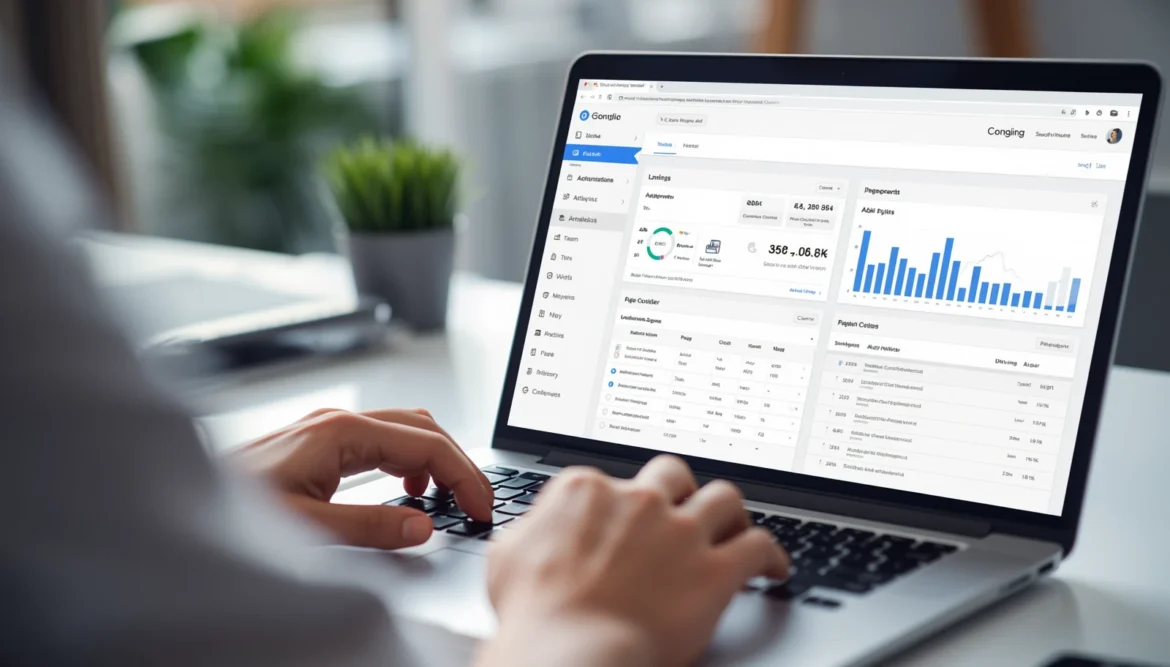
Before launching any advertising campaign, I realized that success does not start when people click an ad. It starts much earlier, when a website is ready to welcome visitors, answer their needs, and create a smooth path toward action. A beautiful advertisement can attract attention, but a prepared website determines whether that attention turns into meaningful results.
My wordpress google ads preparation became an important step before investing in paid traffic because I discovered that website structure, speed, and user experience directly influence campaign performance. Instead of focusing only on increasing clicks, I learned to build a stronger digital foundation where visitors could easily understand the offer and confidently take the next step.
Prepared My WordPress Site Before Google Ads
Before spending money on advertisements, I focused on making my WordPress website ready for real visitors. Many websites lose valuable traffic because they send users to pages that are slow, unclear, or difficult to navigate. Preparing the website first helped me create a stronger connection between advertising messages and visitor expectations.
Avoiding Traffic Without Conversions
Getting more visitors does not always mean getting better results. I learned that traffic without a clear purpose can quickly become wasted advertising costs. When visitors arrive from Google Ads, they already have a specific intention, so the website needs to immediately provide relevant information.
I reviewed my content, page structure, and visitor journey to make sure every section supported a clear goal. By improving conversion rate optimization, I created a website experience that encouraged users to continue exploring instead of leaving after a few seconds.
Fixing Website Issues Before Advertising
Before running campaigns, I checked several technical areas that could affect visitor satisfaction. Issues such as slow loading pages, broken elements, outdated plugins, and poor mobile performance could reduce trust and increase unnecessary spending.
I improved my WordPress website optimization by reviewing website speed, responsive design, security settings, and page organization. These improvements created a more reliable environment for visitors coming from paid advertisements.
Building A Better User Experience
A successful advertising campaign is not only about attracting attention, it is about creating an experience that feels natural after the click. I focused on simple navigation, readable content, and a clear information flow.
According to Google Search Central, focus on creating helpful, reliable, people, first content is essential for websites that want to provide value to users. This mindset helped me design pages that were created for visitors first, not only for search engines.
How I Set Up My WordPress Website
After preparing the foundation, I continued improving the technical and marketing elements that supported my campaign. My Google Ads Setup focused on creating a connection between advertisements, landing pages, tracking systems, and customer interactions.
Creating Landing Pages For Ads
I created dedicated landing pages that matched the message of each advertisement. Instead of sending every visitor to the homepage, I designed pages that directly answered the reason someone clicked the ad.
A focused landing page improves relevance because users can immediately find information related to their search. I applied landing page optimization, search intent targeting, and keyword relevance to make every page more effective.
Adding Forms And Clear CTAs
A website needs a clear direction when visitors arrive. I added simple contact forms and visible calls, to, action so users could easily understand what action they should take next.
The goal was not to interrupt the visitor experience but to remove uncertainty. A well, designed CTA helps users move naturally from learning about a service to starting a conversation.
Improving Website Speed And Performance
Website performance became one of my priorities before increasing paid traffic. Even a strong advertisement can lose its value when visitors leave because a page takes too long to load.
I improved image optimization, reduced unnecessary plugins, and reviewed hosting performance. These changes supported better Core Web Vitals, faster loading times, and improved mobile experiences.
Many advertisers focus on increasing their budget, but a faster website can sometimes create a bigger improvement because it helps more visitors stay and interact.
Connecting My Website With Marketing Tools
Once the website was prepared, I needed accurate systems to understand visitor behavior. Without proper measurement, it becomes difficult to know whether advertising efforts are creating real progress.
Tracking Visitors With Google Analytics
I connected my website with Google Analytics to monitor visitor activity. This allowed me to understand where visitors came from, which pages they viewed, and how they interacted with my website.
The information helped me make better decisions because every improvement was based on actual visitor behavior rather than assumptions.
Measuring Leads With Conversion Tracking
Tracking conversions gave me a clearer picture of campaign performance. Instead of only measuring clicks, I focused on valuable actions such as form submissions, inquiries, and customer interactions.
Using Google Ads conversion tracking helped me identify which campaigns generated meaningful results and which areas needed improvement.
Sending New Leads To Brevo
I connected my website leads with Brevo to create a smoother follow, up process. When visitors submitted their information, the data could be organized into an email workflow that supported future communication.
This combination of advertising, website management, and email automation created a more complete marketing system. Each tool worked together to maintain relationships with potential customers.
Prepare Your Website Before Paying For Traffic
Before investing in paid traffic, make sure your website is ready to support the visitors you want to attract. Google Ads can bring people to your pages, but a well, prepared website is what helps turn those visits into meaningful opportunities through clear information, fast performance, and a smooth user experience. As marketing expert Neil Patel explains, “the goal is to turn traffic into customers, not just collect visitors.” When your website and advertising strategy work together, WordPress Google Ads can become more than a traffic source, so start optimizing your website today and create a stronger foundation that helps every visitor move closer to taking action.